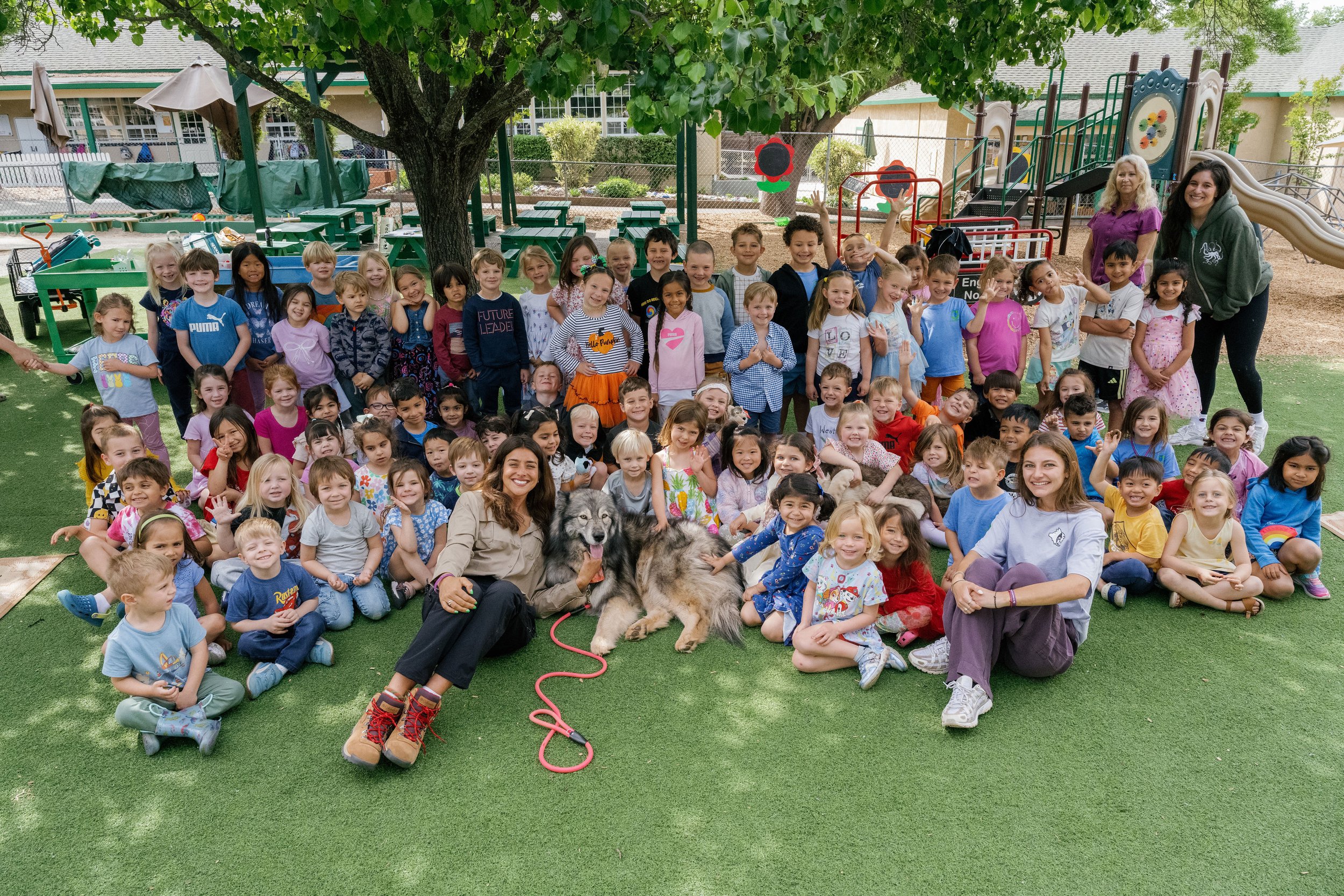
Advice From a Wolf
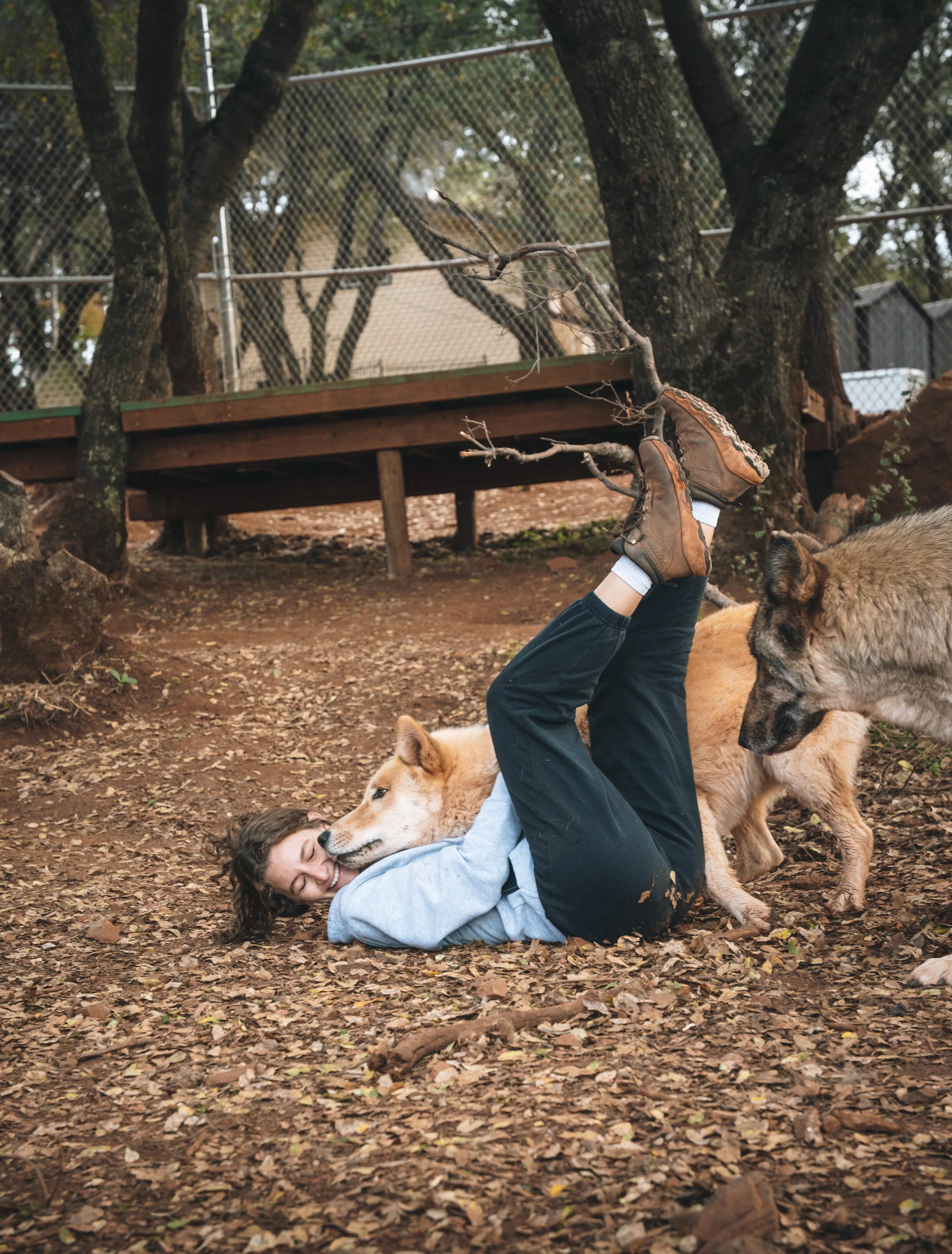
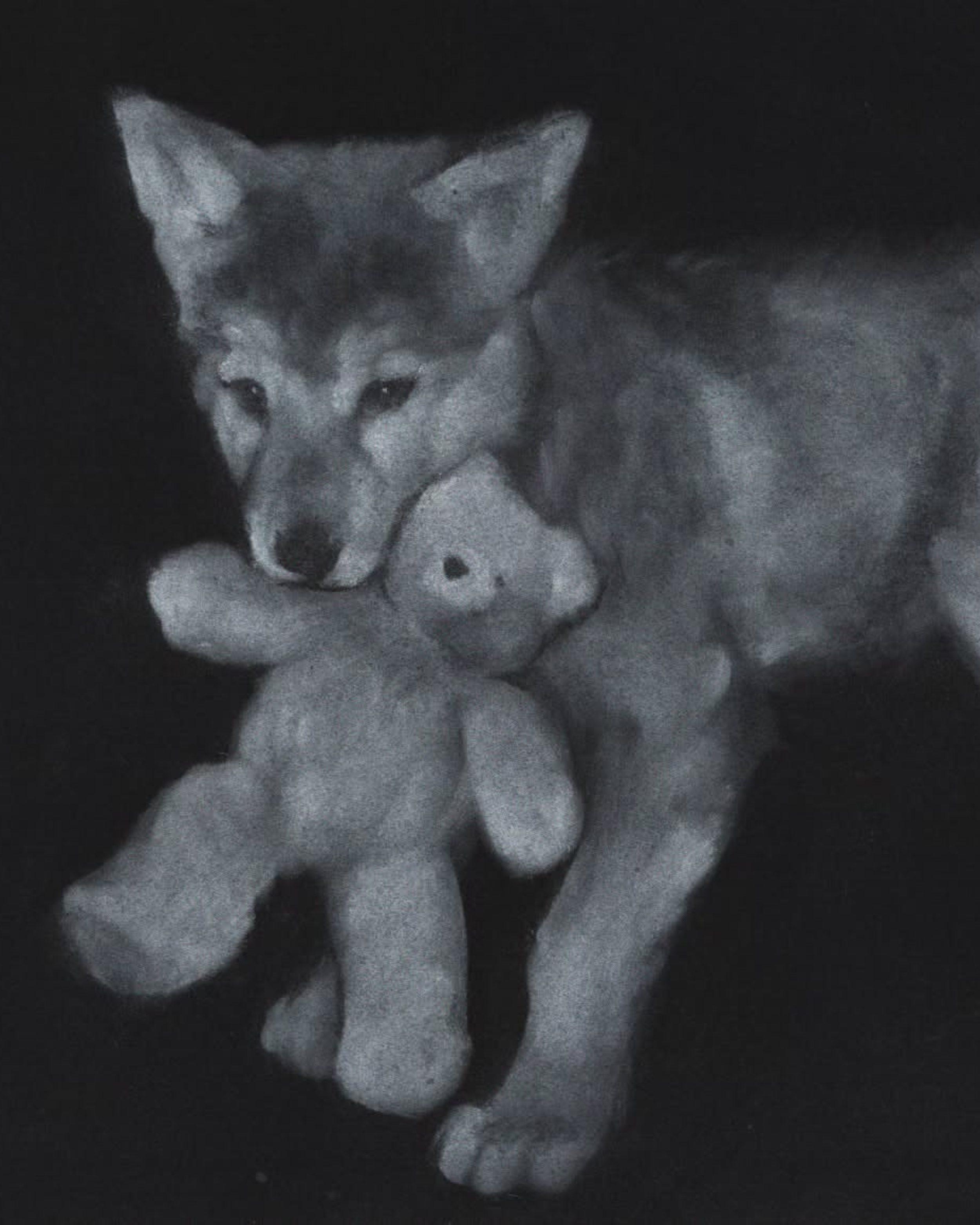
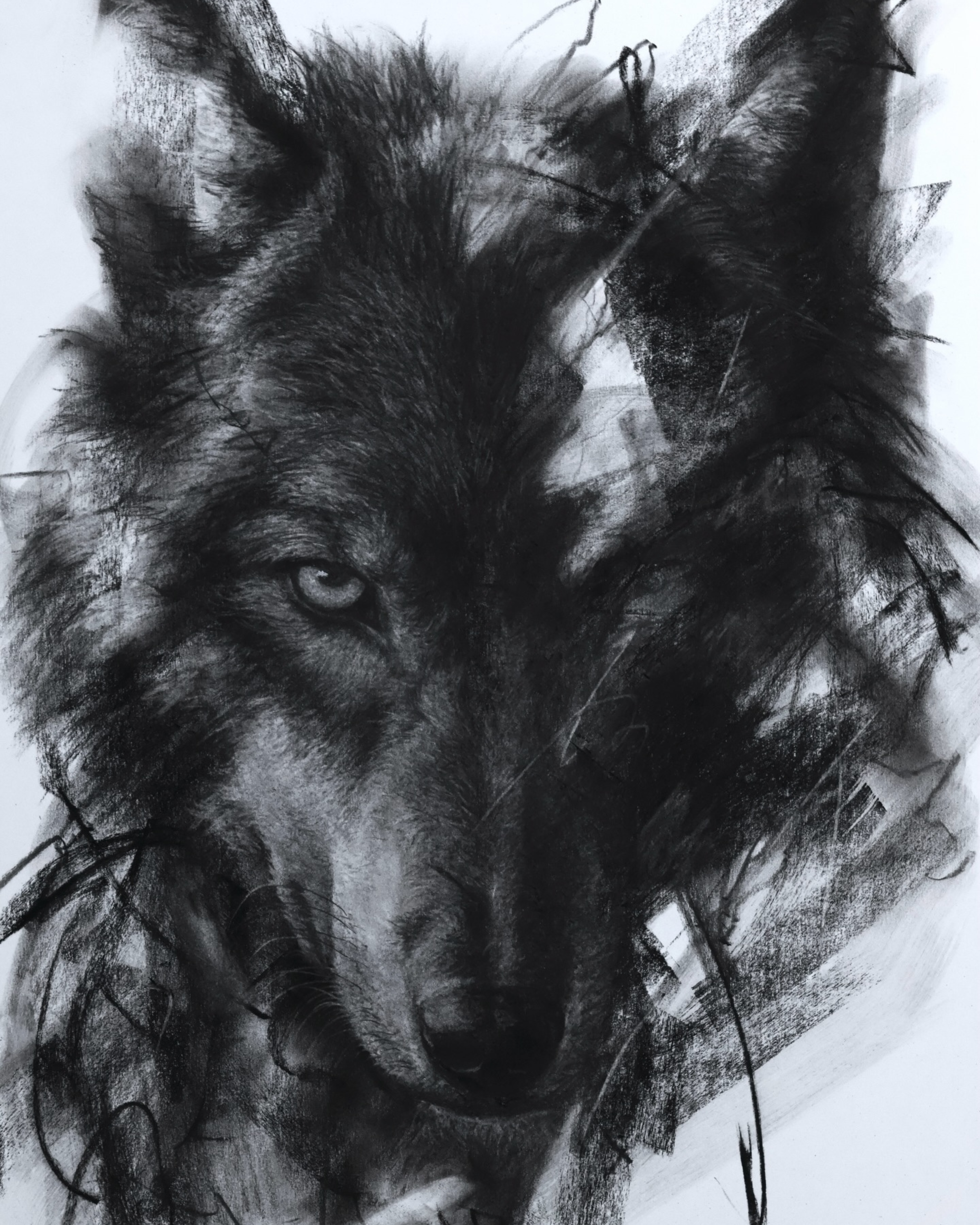
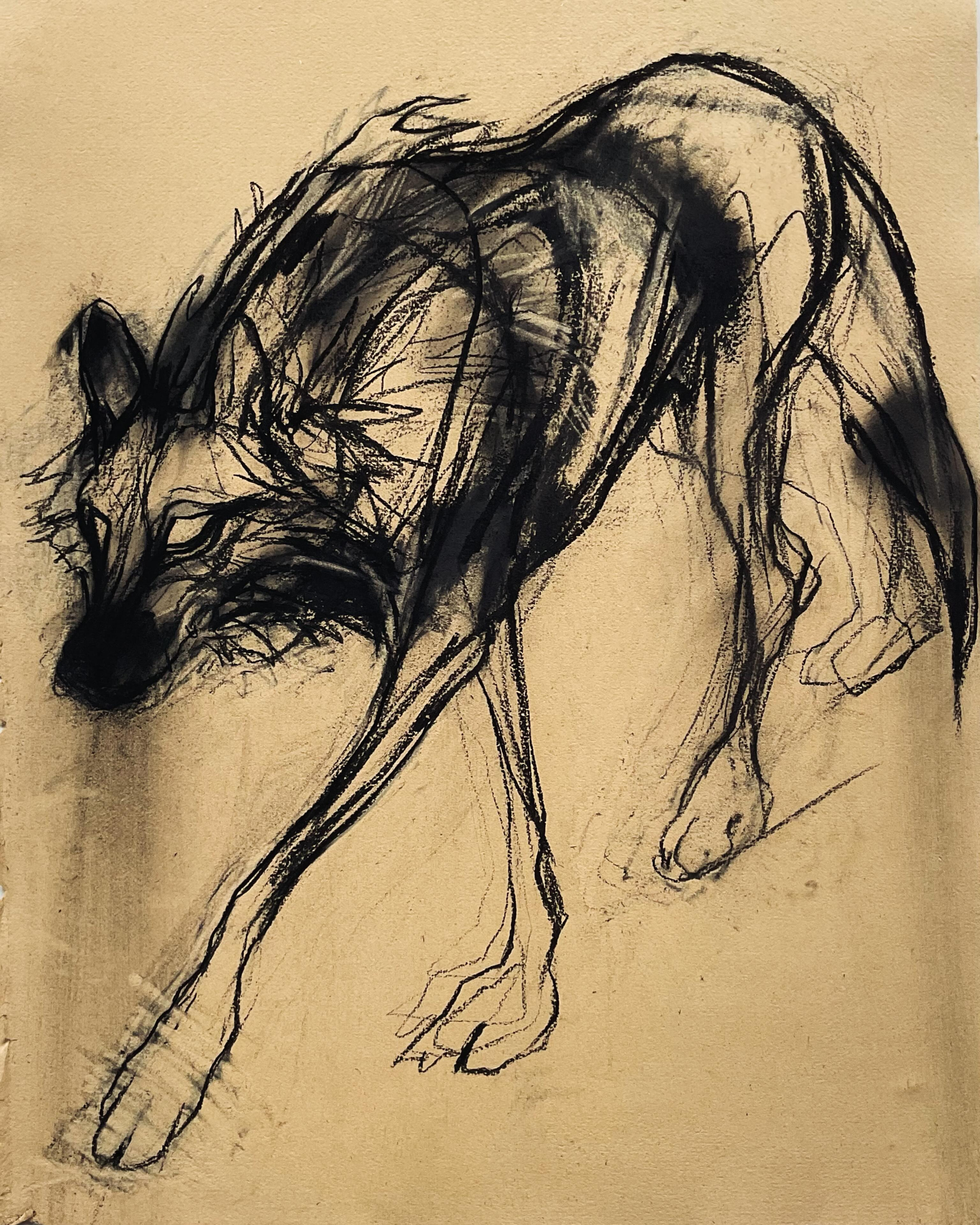
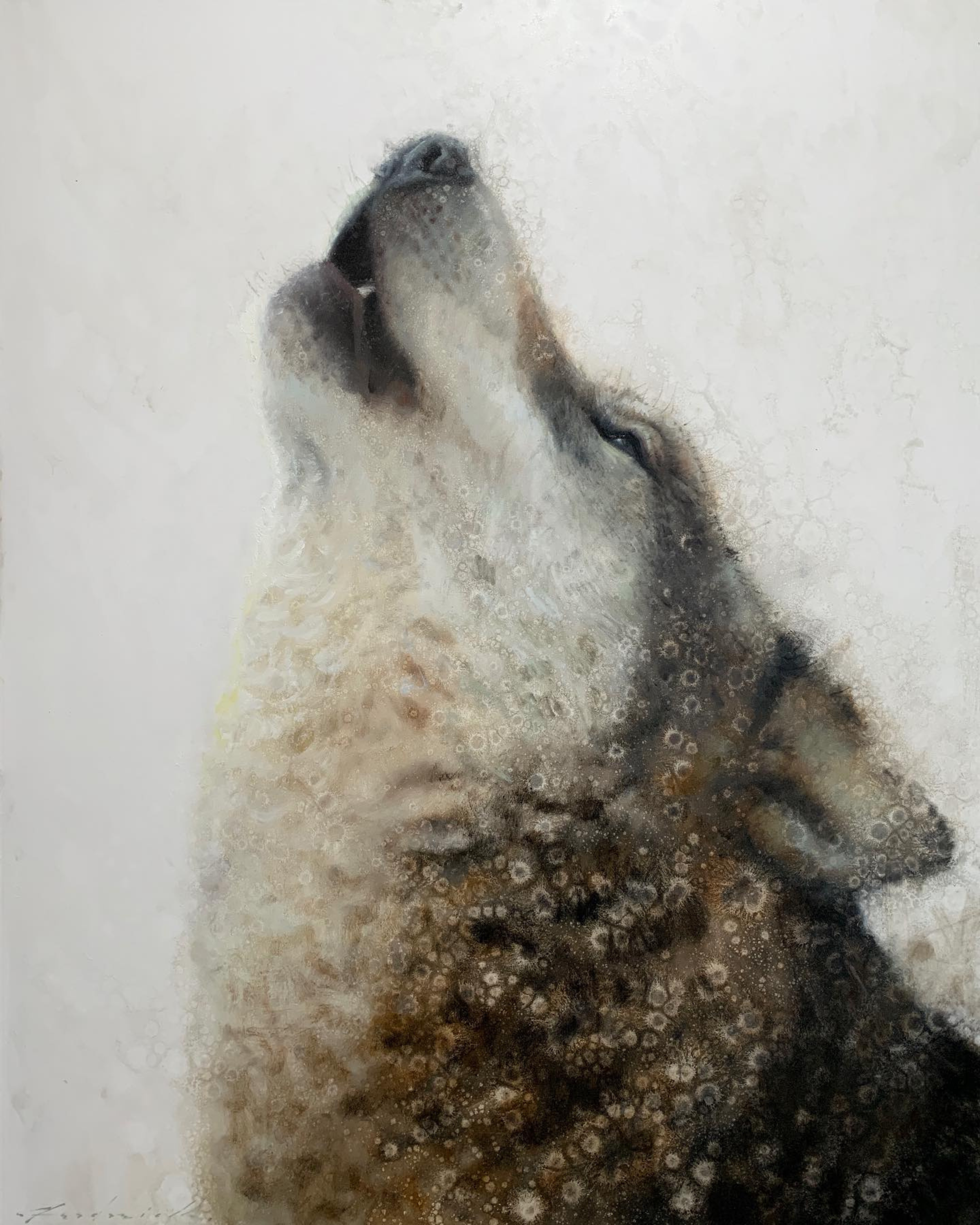
photo // @capturedpack.photo
Humans have become strangely embarrassed by survival. We apologize for changing careers, for resting, for grieving friendships, for taking longer than we expected, and for becoming different people. Somewhere along the way, surviving became something to hide, as though making it through difficult seasons says something shameful about who we are. Nature has never seen survival that way. Wolves certainly don't.
Over the last four years, I've spent my life helping build Women for Wolves. We built a sanctuary for rescued wolf-dogs, fought for the protection of wild wolves, and weathered more uncertainty than I ever imagined. Somewhere in the middle of it all, I realized that surviving isn't about avoiding change. It's about learning to adapt without losing sight of what you believe in.
I've watched what it takes to build something people believe in. I've sat through county hearings where futures felt uncertain, spoken with lawmakers about protecting wild wolves, and experienced firsthand how quickly communities can become divided over something they're unfamiliar with. There were moments when it felt easier to become quieter, to stop explaining, to wonder whether any of it was worth it. But conservation has a way of teaching you that believing in something isn't contingent on everyone else believing in it first. And wolves have a way of reminding you why you started.
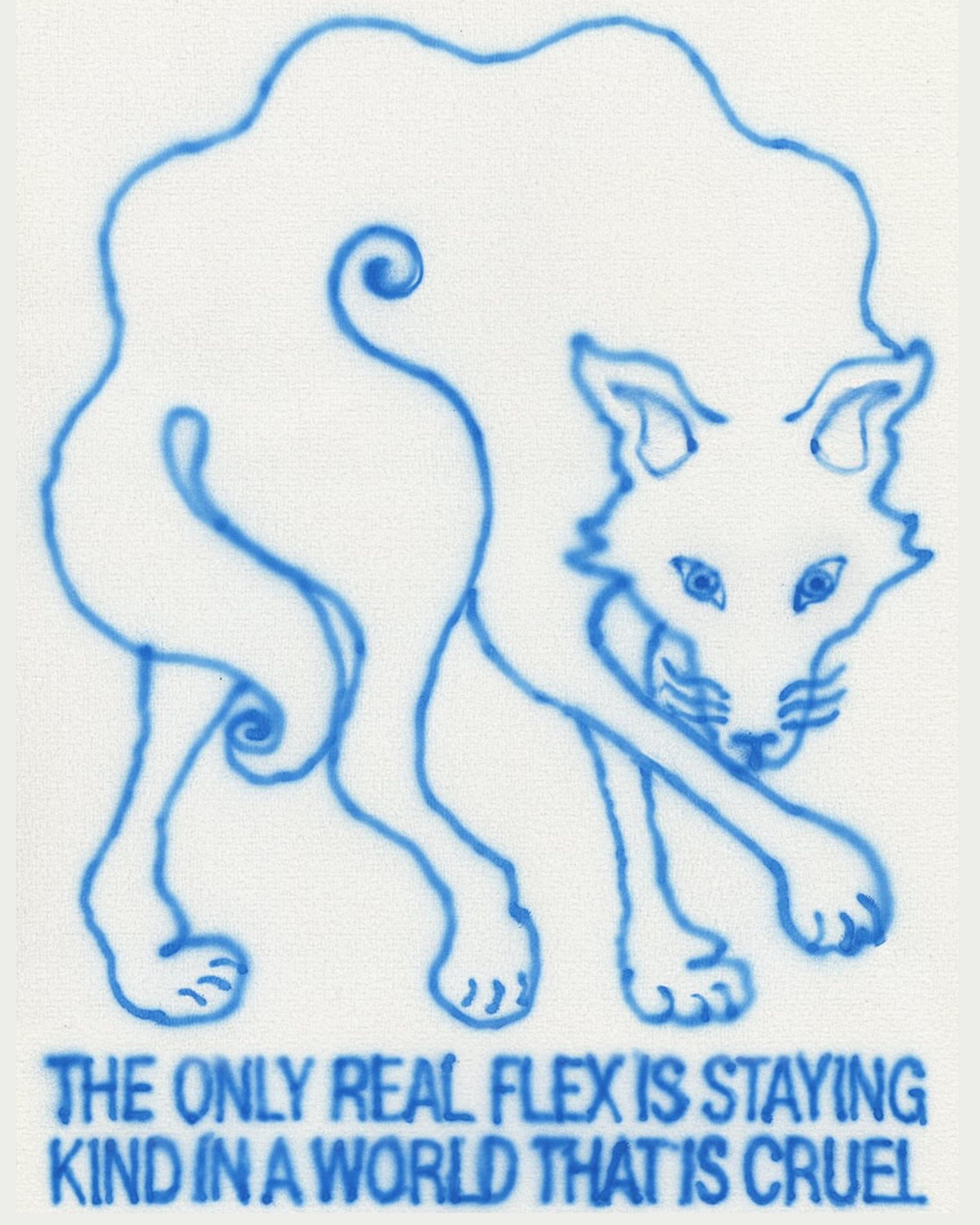
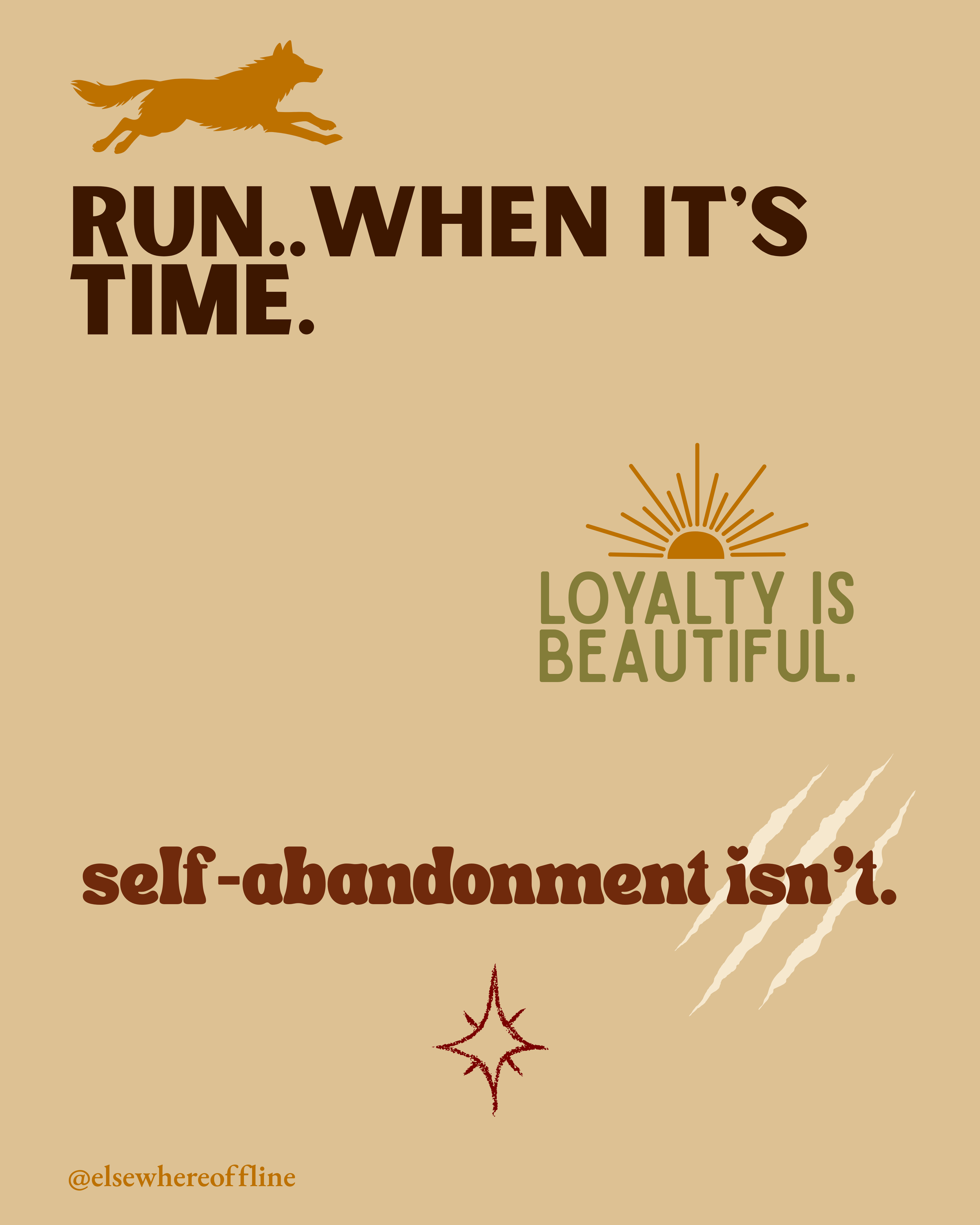
A wolf never apologizes for adapting. It doesn't question whether it should have healed faster or compare one season of its life to another. It survives what is in front of it because survival has never been separate from living. We, on the other hand, have created an impossible standard. We celebrate arrivals but rarely acknowledge the long, quiet seasons that made those arrivals possible. We admire resilience while asking people to hide every sign that they ever needed it.
Wolves don't stop existing because they're inconvenient. They don't disappear because someone misunderstands them. They continue surviving despite shrinking habitat, persecution, conflict, and centuries of being feared. Their survival has never depended on universal approval. It has depended on their ability to keep going.
Whether we're fighting for wolves, rebuilding after heartbreak, changing careers, grieving friendships, or simply trying to become someone new, survival has never been an individual act. We all need people who remind us why we started. We need people willing to stand beside us when the path becomes unpopular. We need people who believe in us when we forget how to believe in ourselves.
We need a pack.
Working in conservation has also changed the way I think about creating change. We often assume it begins with policy, science, or the perfect argument. Those things will always matter, but they are rarely where transformation begins. People protect what they feel connected to, and connection has always started with a story.
it's a photograph that makes someone stop scrolling. A song that puts words to a feeling they've carried for years. A painting, a conversation, or a journal written by someone willing to be honest instead of impressive. These moments don't just create awareness; they create belonging. They remind us that we're not alone.
That's why authenticity is one of the most powerful forms of conservation.
My job isn't just to tell the story of wolves. It's to remind people of their own humanity. Because the moment someone feels connected to another person, to a story, to a place, to a song, to a piece of art, or to an animal, they're far more likely to protect it.
Wolves cannot advocate for themselves, so every movement to protect them has depended on human beings willing to share something authentic: their wonder, their grief, their hope, their resilience, and their belief that a better future is still possible. Every meaningful conservation movement has been built on humanity long before it was built on policy.
A lone wolf can survive, but a pack changes an ecosystem. In much the same way, one person can begin a conversation, but it takes a community to create a movement. Every time we choose authenticity over performance, every time we tell the truth instead of the version that feels safest, we make it easier for someone else to do the same. That is how strangers become communities. Communities become advocates. Advocates become movements. And movements are what protect endangered species.
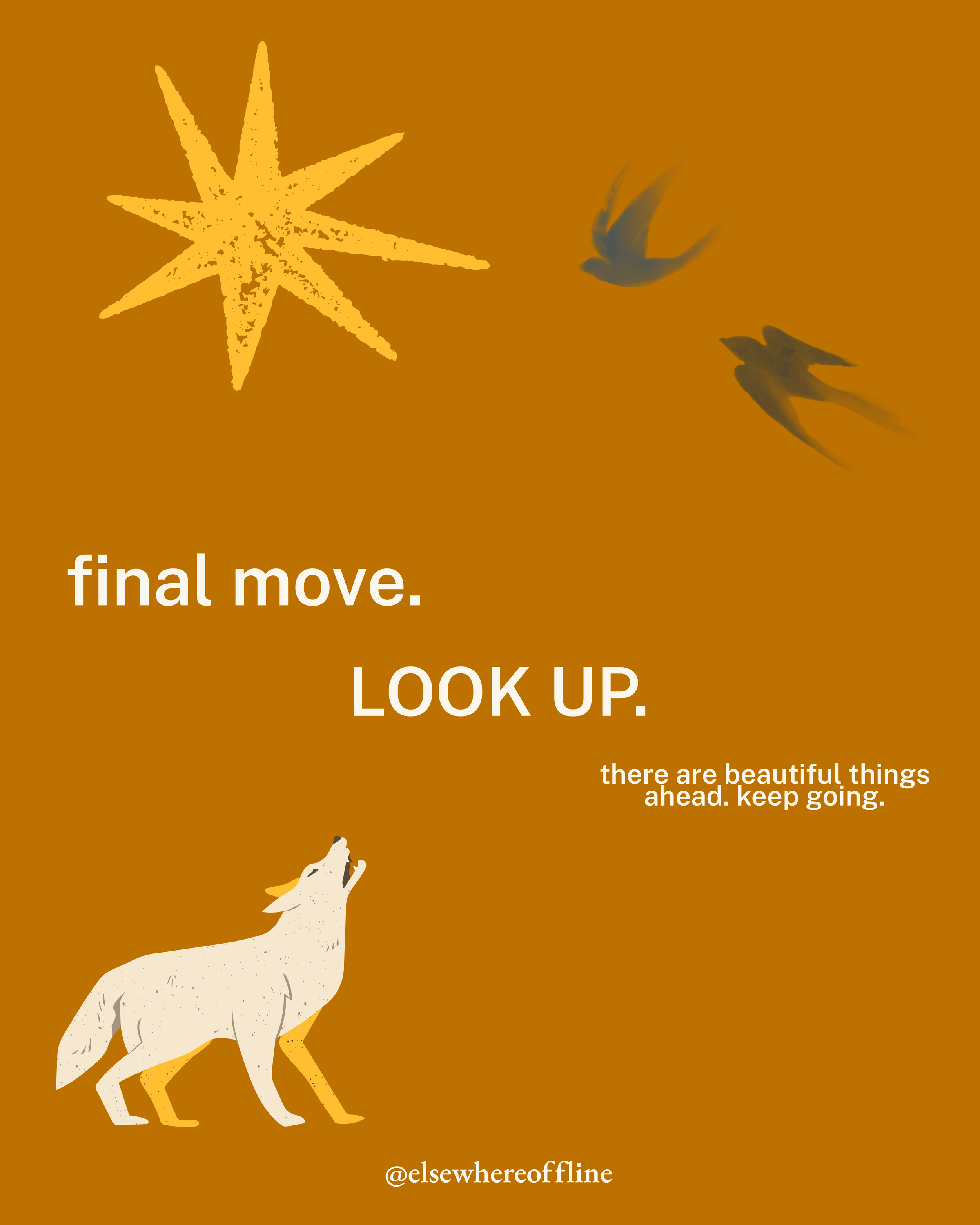
If sharing a little more of our humanity helps someone care enough to protect an endangered species, then maybe surviving was never just about ourselves. Maybe it was always about giving something else the chance to survive, too.



A non Profit Doing the work:
Women for Wolves is a 501(c)(3) nonprofit organization and wolf-dog sanctuary that empowers people to advocate for nature through wolves.